By Klenam K. Fiadzoe
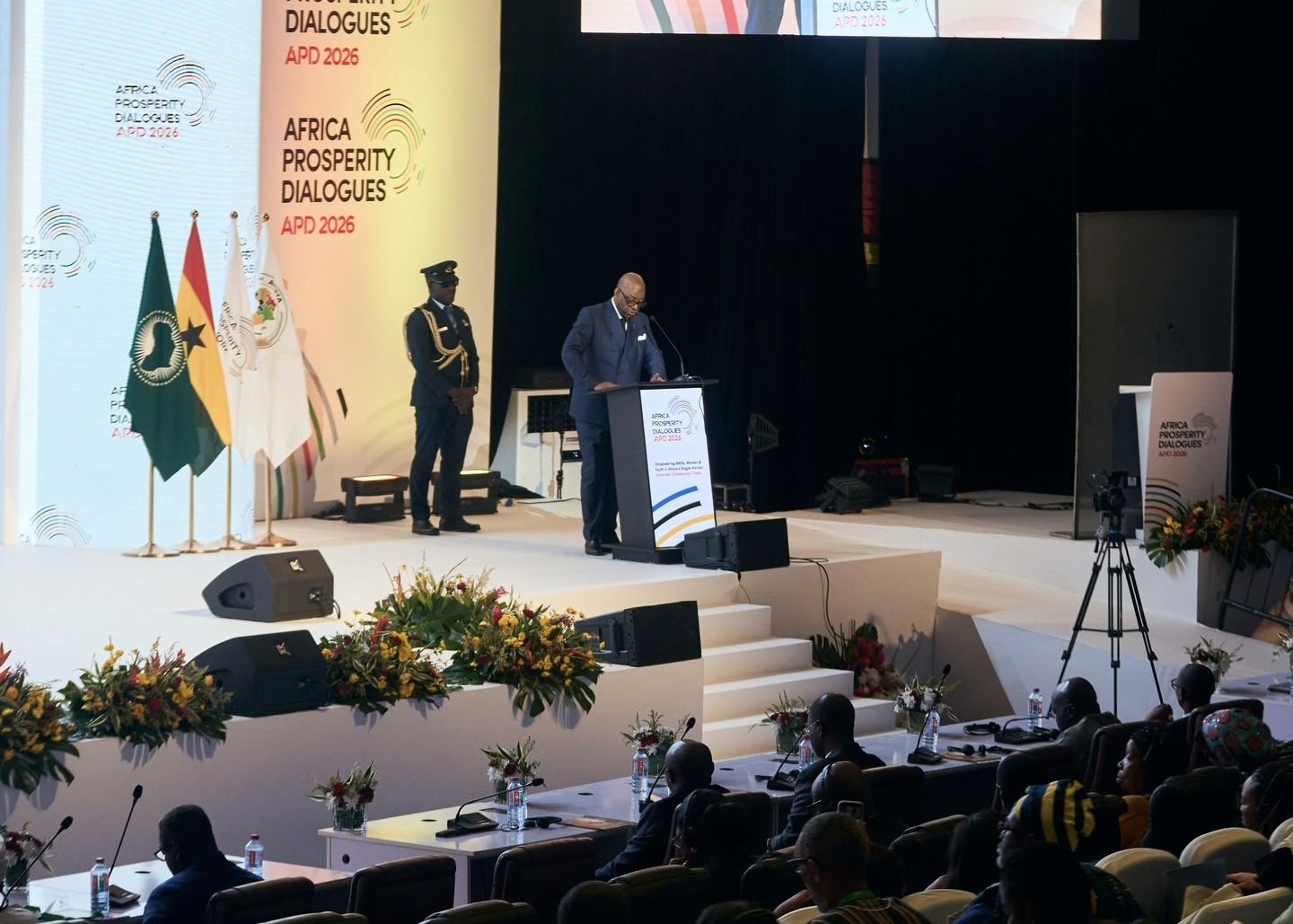
A few weeks ago, I moved through spaces vibrating with a singular force: Africa!. From the halls of the Africa Prosperity Dialogues to rooms heavy with talk on actions to realize a single Africa market, I found myself sitting in an assembly of Africans with an unmissable charge to #MakeAfricaBorderlessNow.
In those meetings, the passion for a flourishing interdependence of African nations was palpable. In many of my interactions, questions lingered: What will it truly take for Africa to realize a single market? What are the short, medium, and long-term actions we must prioritize? This cannot be talk anymore, What have we been getting wrong for decades? who are the real actors to move this cause from dream to reality? and Why has it been so hard to actualize this?
If you've followed African or Ghanaian history, you know that the call for a unified Africa is not new. "Africa must unite or perish" was the heartbeat of Kwame Nkrumah’s message—the conviction that African nations must achieve total political and economic unity to avoid neo-colonialism and ensure prosperity. However, Nkrumah's contemporaries were often too preoccupied with the newfound mirrors of sovereignty to see the horizon.
Today, that charge is more vital than ever. Africa no longer has the luxury of indifference. While the world cannot overlook the consequential role Africa plays in shaping the future world order, Africa itself cannot afford to wait for the future to happen; she must play an active role in shaping it. After all, a ship is safe at the harbor, but that is not what ships are built for; It's time for Africa to rise and embark on a voyage of prosperity.
While the 12 Action Priorities for a Borderless Continent presented by the Africa Prosperity Network encapsulates the key priority areas, we must be pragmatic, act more decisively and with urgency. Achieving a single market occurs when all African economies individually work toward progress. A compelling case study is Singapore’s transition from a Third World to First World in just about 35 years with per capita GDP rising from US$500 to over US$13,000. What factors accounted for the rapid growth between 1965 to 1990. In his autobiography "From Third World to First; The Singapore and the Asian economic boom" Lee Kuan Yew laid out some of his building blocks:
Giving citizens a tangible stake in the economy by super-charging housing development.
Operating under the mantra that "corruption will kill you" so working to stamp it out
Prioritizing STEM (Science, Technology, Engineering, and Mathematics) to produce a skilled, disciplined workforce.
A commitment to growth, aesthetics, and order with a garden city campaign
Censoring media, viewing it as a tool for nation-building rather than an unfettered forum for dissent
Undoubtedly some African economies are recording some successes, these must cases should be studied and replicated. What is working in Rwanda, Ghana, Burkina Faso, Kenya —though nuanced by context — can be modified for other economies. Regional communities should initiate their own "Belt and Road" initiatives to enhance regional trade, connectivity, and transformational growth.
But this vision requires infrastructure that links rural populations to modern health, finance, and communication systems. A single Africa market will be more effective and evident when the individual economies prioritize building critical infrastructure for sustainable regional progress, continually work policies that cushion local innovation and industry and ultimately improving the living standards of the people. For instance, A continent-wide rail network can only be effective if individual countries first build the infrastructure to connect their own cities. Linking rural industries to urban markets and vice versa, and deepen tourism.
Additionally, manufacturing remains one of the world’s greatest engines of progress and an important step to move nations from poverty to prosperity, and create reliable jobs and skills that transform entire communities. Today, while emerging African economies strive to industrialize amidst intense global competition and shifting supply chains, our policymakers and business leaders need sophisticated operational guidance. We need trusted, pragmatic partners who prioritize industrialization and deepen our integration into global value chains to keep pace with an increasingly technical world.
While the statistics on Africa’s youth population bulge may be a cliché, the reality is ticking. The growing bulge is coming with major demands, that in itself may be the foundation for sustainable progress or the last straw that breaks the structure.
So yes #MakeAfricaBorderlessNow! It is time to stop being spectators of the fast paced global industrialization to becoming active participants in achieving a borderless, industrial, and unstoppable Africa. In Nkrumah's own words "Without unity, individual states would remain weak and susceptible to exploitation". It is time to prove that we have finally heard him.
Originally published at https://www.linkedin.com.
Related Reads for You
Discover more articles that align with your interests and keep exploring.